So, I’ve been messing around with moving bigger lumps of money lately, and man, getting flagged for “suspicious activity” is a pain in the butt. I figured I’d share how I finally managed to navigate this without getting my accounts frozen or getting annoying phone calls.
The Initial Blunder: Going Big Too Soon
My first attempt was dumb. I needed to move about fifty grand for an investment—nothing illegal, totally legitimate—but I just hit ‘send’ on my online banking. Within an hour, everything locked up. I got an automated message and then a call from a super serious-sounding representative asking a million questions. It was stressful, took two days to sort out, and felt like I was being treated like a criminal.
- Tried transferring the whole amount in one go.
- Result: Instant lock and a full security review.
- Lesson learned: Banks hate surprises, especially big ones.
My Second Attempt: Spreading the Wealth (and Time)
After that hassle, I started doing some reading. Turns out, consistency and small steps are key. The general consensus was to avoid crossing certain unspoken thresholds, usually around ten thousand dollars in a single day, or even within a few days, especially if it’s an unusual pattern for your account.
The next time I had a large transfer, I broke it down. Let’s say I needed to move seventy thousand dollars. I didn’t rush. I started by moving five thousand, just to see what happened. It went through instantly. No questions.
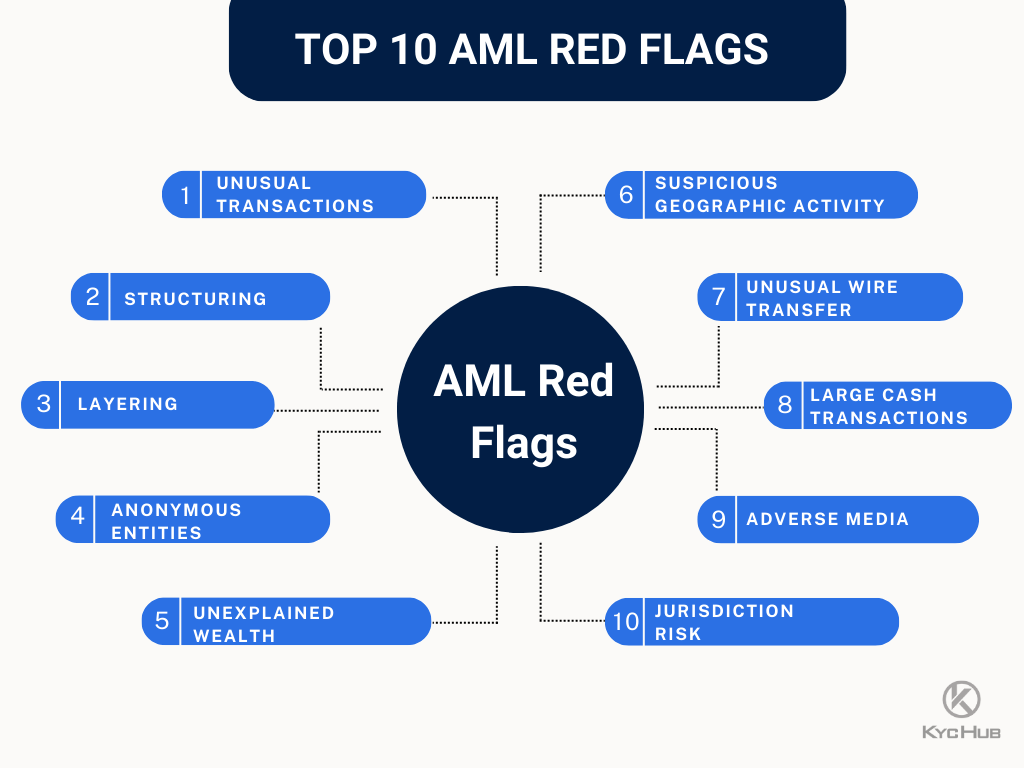
The next day, I moved seven thousand. Again, smooth sailing. I kept these amounts slightly different but consistently under ten thousand, usually hovering between five and nine thousand dollars.
The Crucial Step: Establishing a Pattern
What I realized was that the system isn’t just looking for big numbers; it’s looking for deviations. My account usually saw transfers of a few hundred or maybe a grand here and there. Jumping to fifty thousand was a massive red flag.
By moving amounts like $8,500, then $7,200, then $9,100 over the course of a week and a half, I slowly normalized larger transfers. It looked less like a sudden, panicked move, and more like a series of scheduled payments.
This is what finally worked for a massive chunk I needed to move:
- Pre-warming: I started a week early, moving $2,000 for a couple of days, just to get the account moving with higher volumes than usual.
- Incremental Increases: I moved $6,000 on day three, then $9,500 on day four, effectively raising the “normal” ceiling.
- The Pause: I paused for two days. This made the next transfer look separate, not like a frantic attempt to empty the account.
- Repeat Cycle: I started the $9,000 to $9,500 transfers again, keeping the total daily movement below the magic $10,000 mark.
I managed to move around sixty-five thousand dollars this way over twelve business days without a single notification or phone call. It felt slow, but way better than the headache of getting shut down.
What I Learned About Communication
Another thing I started doing, even though I was structuring the transfers to avoid flags, was a quick heads-up call to the bank. Not to tell them every small transfer, but if I knew I was moving a total of sixty grand over the next month, I’d call my relationship manager (if you have one, use them!) or the general help line.
“Hey, just letting you know I’m executing a series of real estate payments over the next few weeks, total should be around $X. Just wanted to make sure there are no issues.”
Even just that generic statement seems to put a note on file. When the automated systems see the higher volume, they might look at the note and realize it’s ‘expected activity,’ not a sudden theft. It’s like giving the system an advanced permission slip.
So yeah, if you’re moving big money, forget the sudden hero move. Break it down, spread it out, stay below that ten-thousand dollar invisible line as much as possible, and maybe give the bank a quick, vague warning ahead of time. It’ll save you a lot of grief.