So, I was messing around with this new side project, right? Something simple, a little e-commerce thing for selling my old junk. Nothing serious, but I figured I needed a quick way to handle payments. I didn’t want to deal with Stripe or PayPal straight away, those setups can be a pain when you’re just prototyping.
I started digging around for some lightweight payment libraries or gateways, something that offered a quick plug-and-play solution. I saw this one repo on GitHub, looked pretty clean. Lots of stars, recent commits, all the good signs, you know? It promised to be this super-fast, minimal integration that would save me hours of configuration hell. Exactly what I needed.
Diving Deep into the Code Pit
I cloned the repo and started looking at the instructions. It was almost too easy. It said, “Just drop in your API key and secret, and BAM, you’re ready to go.” They even had a handy little configuration file where you were supposed to paste them. Being the slightly lazy developer I am when it comes to personal projects, I thought, “Sweet, this is a time saver.”
But then, something nudged me. A little voice saying, “Wait up, buddy. This is payment stuff. Don’t just paste those keys blind.” Even though I wasn’t using live keys—I always start with test credentials—I just have this habit of always checking where those credentials go. It’s drilled into me from years of seeing bad things happen.
The Red Flags Start Waving
I opened the main file where the actual processing logic was supposed to live. It was supposed to be handling the connection to the payment processor—let’s call it ‘PayGo’ for argument’s sake. The code was heavily obfuscated. Not totally unreadable, but intentionally messy with confusing variable names and unnecessary layers of functions. That was the first major alarm bell. Why would open-source code for a simple payment wrapper need to be this confusing?
I started tracing the network calls. Usually, when you initialize a gateway library, it hits the official API endpoints, right? But this code was making some weird calls. It wasn’t talking to PayGo’s known test environment URL. It was talking to some random subdomain on an AWS instance that looked completely generic.
- The domain name was slightly misspelled, like ‘PayG0’ instead of ‘PayGo’. Very subtle phishing tactic.
- The payload being sent was way too big for a simple initialization call.
- It was including environment variables that shouldn’t have been part of the transaction handshake.
I took the endpoint URL and threw it into my browser. It returned a generic “Hello World” page. Definitely not a payment processor API. I checked the server logs on that suspicious endpoint using some OSINT tools (basic public record stuff). It was a fresh server, barely a week old, and it was primarily receiving POST requests containing JSON objects.
The Ugly Truth Unveiled
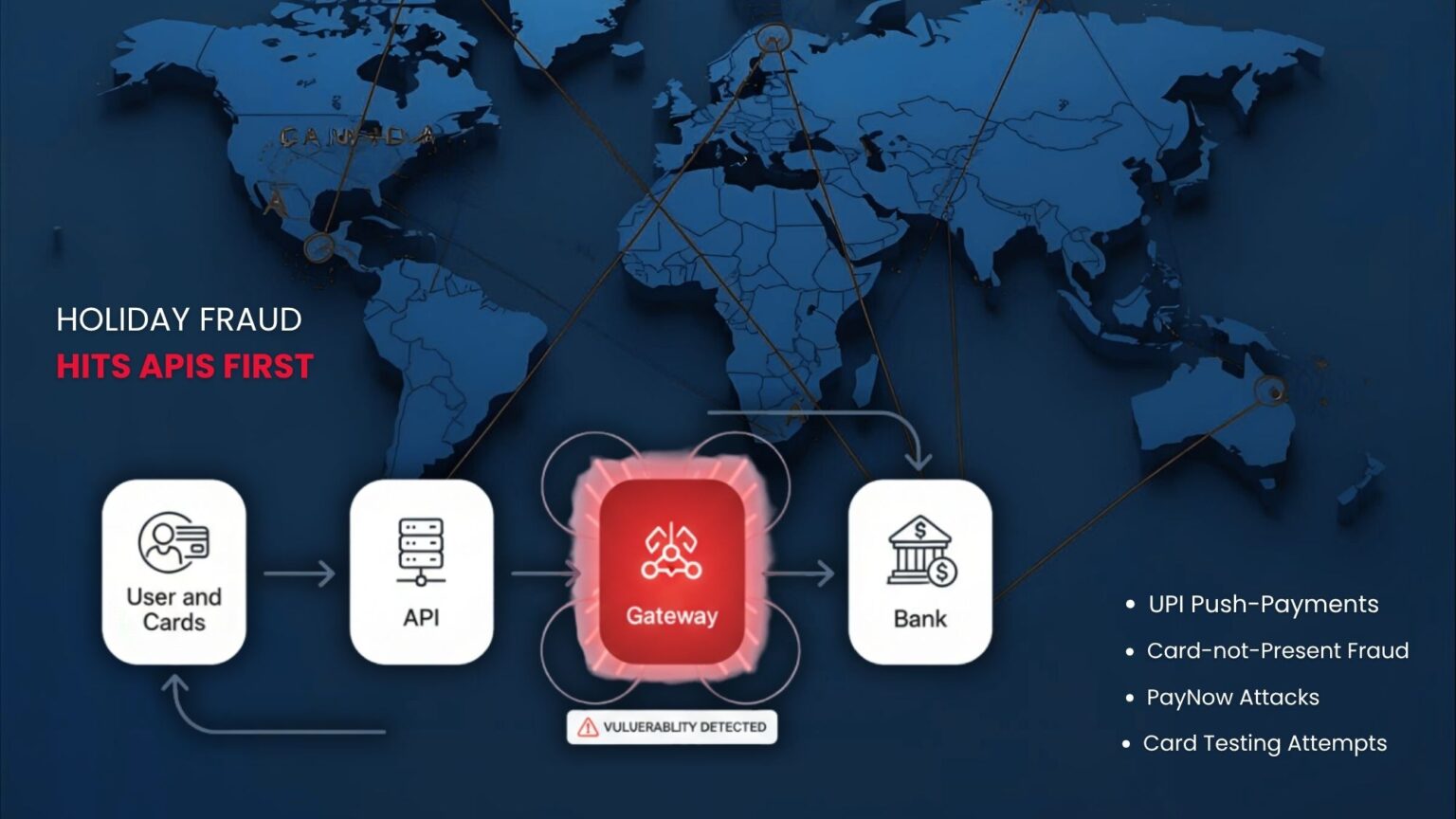
I went back to the library code, painstakingly de-obfuscating the main function. It wasn’t actually initiating any payment processing at all. What it was doing was simple: it took the API key, the secret key, and the environment data (like the hostname and framework version), packaged it into a JSON blob, and sent it straight to that suspicious AWS server. Every time the initialization function was called, your keys were being stolen.
It was a pure key harvester disguised as a convenient payment library. They had even set up the testing functions to return dummy ‘success’ codes immediately, so anyone quickly testing it with placeholder data would think it worked perfectly. They were banking on people being too busy or too trusting to actually inspect the network traffic or the underlying code before deploying it, even just to a staging environment.
I immediately reported the repo to GitHub. I checked the commit history again and noticed the account that created it was less than three months old and had only contributed to this single project and maybe a few minor spelling corrections elsewhere. Classic burner account behavior.
The lesson here is massive, and it hit me hard even though I didn’t lose anything: Never, ever paste your sensitive credentials into third-party code without verifying EXACTLY where that data is going. Spend the extra hour integrating the official SDK. Don’t trust convenience when security is on the line. I got lucky this time because I’m paranoid. Someone else might not be.