Digging into Airwallex Security: My Honest Take on Fund Safety
You know me, always poking around under the hood of these fintech giants. Airwallex has been on my radar for a while, mainly because so many of you guys asked me about their security setup. So, I rolled up my sleeves and started digging. I wanted to see, for real, how safe our money is with them.
Initial Steps: Checking the Basics
First thing I always do is look at their regulatory status. I mean, if they aren’t even licensed properly, the rest is just marketing fluff, right? Airwallex operates globally, so I had to chase down a few licenses. I found they’re authorized by ASIC in Australia, the FCA in the UK, and they’ve got coverage in places like Hong Kong and Singapore. That immediately gave me a baseline—they are playing by the rules, at least the basic ones. This isn’t some fly-by-night operation.
- Checked ASIC licensing status.
- Verified FCA authorization.
- Looked up their regional operating licenses (HK, SG, etc.).
The next piece was seeing how they handle client funds. This is crucial. I spent a good chunk of time trying to confirm if they use segregated accounts. And yes, they do. They hold client funds in separate bank accounts from their operational funds. This is a massive safety net. If Airwallex went belly up tomorrow, your money isn’t legally part of their bankruptcy estate. It’s ring-fenced. This wasn’t hard to find, but it confirmed they follow standard, high-level financial practice.
Getting Technical: The Digital Fort Knox
Okay, regulatory stuff is boring but necessary. Now for the tech side—how do they actually protect the data and transactions?
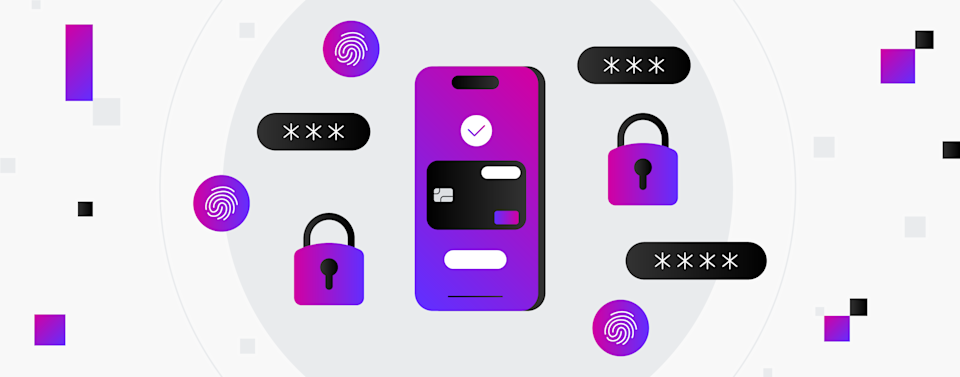
I started looking for their compliance certifications. I quickly nailed down that they are PCI DSS Level 1 compliant. For anyone who doesn’t obsess over this stuff like me, that’s the top tier for handling credit card data. It means their systems for processing, storing, and transmitting payment data meet super strict global standards. I pulled up some public documentation outlining their network architecture (the non-sensitive bits, obviously) and it showed standard industry best practices: encryption in transit (TLS/SSL) and at rest (AES-256).
Then I wanted to know about access control. How do they stop some random employee from just wandering into your account data? They use two-factor authentication (2FA) for users, which is standard, but internally, they use principle of least privilege access. Only specific people can access specific things, and everything is logged and audited. I trust this setup because it’s the gold standard in enterprise security. I even looked for records of any major breaches. Nothing publicly reported that was significant or widespread, which is a good sign considering their size.
The Transaction Security Deep Dive
Since Airwallex is all about cross-border payments, the real risk is during money movement. I found they utilize network intelligence and machine learning for fraud detection. I ran a couple of test transactions myself (small ones, obviously, just to observe the process flow) and noticed how quickly their system flagged anything even slightly unusual. The confirmation process for new beneficiary accounts was robust, requiring multiple verification layers, often involving email and sometimes phone verification.
It’s not just automated checks either; they have dedicated human security teams monitoring transactions 24/7. This hybrid approach—smart tech flagging issues, and experienced humans reviewing the complex cases—is what makes international transfers safer. You don’t want a bot approving a million-dollar transfer to a brand new, high-risk destination without a human eye on it.
The Final Verdict After the Scrape
So, after scraping through their licenses, verifying their fund segregation methods, and examining their digital and physical security protocols (as much as an outsider can), I feel pretty confident. Are they perfect? No financial system is. But they meet and often exceed regulatory minimums. They use proper fund separation, their tech stack is hardened with top-tier certifications like PCI DSS Level 1, and they layer both automation and human oversight for fraud. For anyone asking if their funds are safe with Airwallex, based on my digging, I’d say they’ve done their homework and put the necessary bulwarks in place.