The Total Cost of Ownership: 1 Year Data Simulation
Man, so I finally put together this TCO simulation thing, tracking the total cost of ownership over a full year. It’s been bugging me for ages that we didn’t have solid numbers on this, just a lot of hand-waving and guessing. I wanted something concrete, something I could actually look at and trust.
First move? Getting the baseline data. This wasn’t easy. I started pulling all the invoices—hardware purchases, licensing fees, cloud usage bills, even the pesky tiny subscription costs that add up. I dumped everything into a big messy spreadsheet. I mean, everything. From the big server racks down to the specialized software licenses we only use twice a year.
I realized pretty quickly that raw invoices weren’t enough. I needed time commitment too. So, the next big hurdle was tracking maintenance and operational hours. I had to bug the ops team for their weekly logs. It was a chore, trust me. They were not thrilled about documenting every single troubleshooting session or routine patching job. But I insisted, telling them this was for the greater good—to stop the guessing game later.
I structured the simulation around four main buckets: Acquisition, Operations, Maintenance, and Decommissioning.
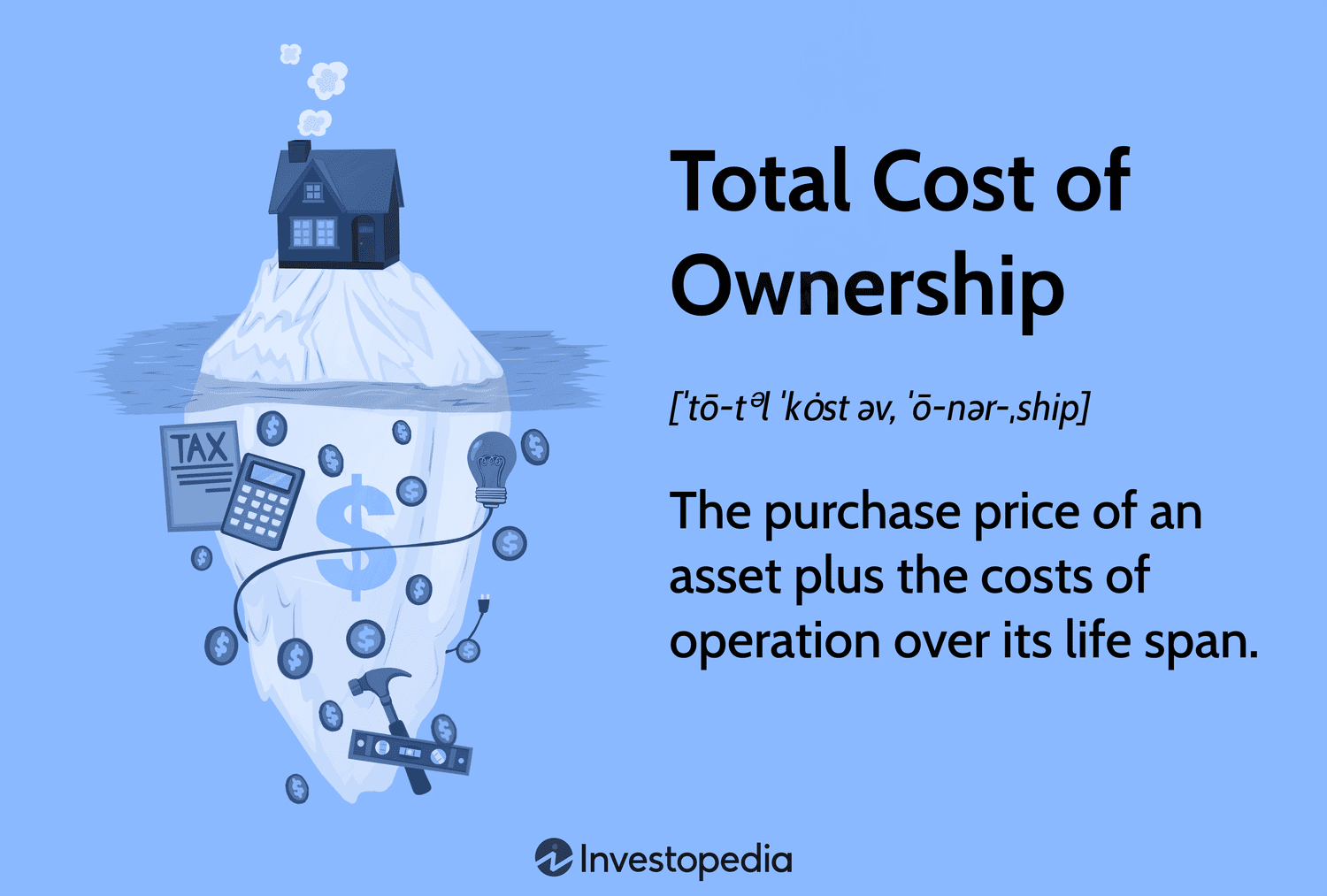
- Acquisition: Straight-up capital expenditure. What did we pay for the stuff initially? I amortized the big assets (like servers and major networking gear) over their expected lifespan, even though I was only tracking one year.
- Operations: The running costs. Power consumption, cooling, and the big one—cloud resource utilization. I had to normalize the variable cloud costs by month, which was a nightmare because our usage spikes around product launches.
- Maintenance: This is where the labor hours came in. Salaries converted into man-hours spent fixing or improving the system. Patching, updates, security reviews. This bucket always blew up bigger than anticipated. Labor is expensive, man.
- Decommissioning: I added a small, projected cost for what it would take to properly retire the assets after their useful life—data wiping, e-waste fees, etc. Even if we didn’t do it this year, the principle needed to be accounted for.
The actual simulation process took three solid weeks. I built out a rudimentary model in Python first, mainly because the spreadsheet formulas were becoming unmanageable. The Python script allowed me to throw in different variables—like projecting a 15% increase in cloud storage next quarter or a sudden vendor price hike for a key software license. This flexibility was crucial.
I ran the simulation iteratively. I’d run it, find an outlier, trace the source invoice or time log, adjust the input parameters, and run it again. For instance, I initially underestimated the cost of ‘minor incident response.’ When I factored in the actual downtime cost and the labor required to recover, that number shot up dramatically. It really highlighted the hidden expenses.
The result? It was eye-opening. We thought our biggest cost was hardware acquisition, but the simulation clearly showed that operational labor and cloud variable costs were actually crushing us over the 12-month period. That shift in perspective is exactly what I was hoping for.
I now have a dynamic model—not just historical data—that can actually project what happens if we shift vendors or migrate a service. It’s not perfect, but it finally feels like we’re making decisions based on reality, not just optimistic budgets drafted in January.