So, you know I’ve been messing around with different payment processors for my little side hustle, trying to figure out who’s gonna hit me with the least pain when things go sideways. Chargebacks are a killer, seriously. I decided to dive deep into what Airwallex, Stripe, and PayPal actually charge you when a customer decides they want their money back and skip talking to you first.
The Setup: Getting All the Info Straight
First thing, finding the exact numbers isn’t always a walk in the park. These companies love to bury the nasty fees deep in their terms and conditions, or maybe just talk about ‘variable rates.’ I had to really dig around, signing up for accounts and going through their developer docs and fee schedules one by one.
Stripe was the easiest, surprisingly. They’re pretty upfront. I logged into my dashboard and just looked it up. For standard chargebacks on US accounts, they nail you with $15. Simple, fixed, and you know what to expect. No surprises there, which is a relief.
Diving into the PayPal Jungle
PayPal, oh boy. This one felt like a maze. They don’t just have one set fee; it depends on where the customer is and if you win the dispute or not. I spent a good hour trying to reconcile their different regional fee pages. For a standard US transaction, if the customer files a chargeback (not just a refund), PayPal usually charges what they call a ‘Dispute Fee.’ It’s complicated because they have ‘Standard’ and ‘High Volume’ fees. Since I’m still small-time, I focused on the Standard rate. It landed around $20 per case, but here’s the kicker: they sometimes refund the fee if you win the dispute, but you still lose the original processing fee.
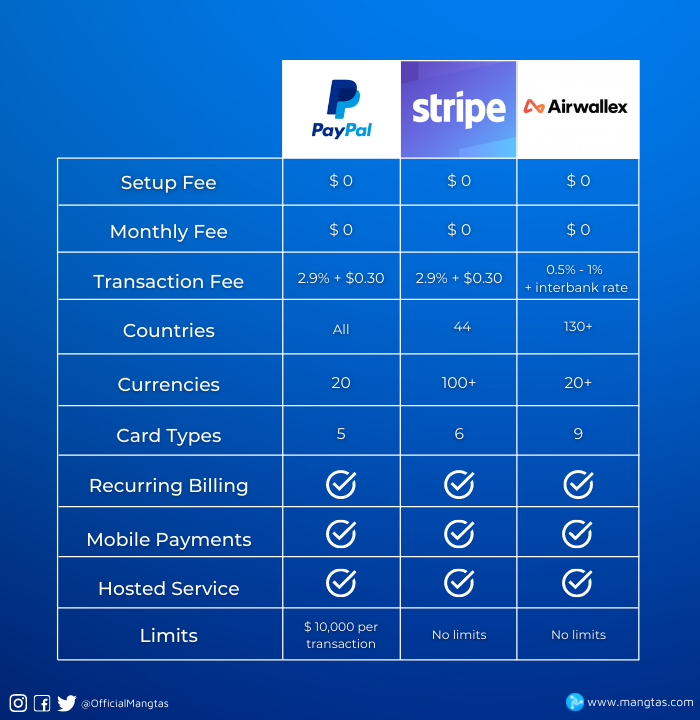
I ran a few test transactions—fake ones, obviously, just to trigger the fee structure in the sandbox environment. The documentation was clearer on the actual process than the public facing fee page. It’s a heavy hit, and the process of fighting it is messy, requiring a lot of document submission.
The Airwallex Curveball
Airwallex was the newcomer in my testing. I was really interested in them for their multi-currency capabilities. But what about chargebacks? Their fee structure is a bit more geared toward international business, and sometimes they quote fees in Euros or Hong Kong Dollars, which meant I had to convert everything back to US dollars just to compare apples to apples.
I found their fee document buried deep in their global agreements. For a typical card chargeback, they seem to charge around $25-$30 USD equivalent. This was the most expensive of the three! I even called their customer service line—a pain, but I got through—and asked directly. The representative confirmed that because they handle so much cross-border activity, the bank fees associated with disputes tend to be higher, and they pass those costs along.
The Final Tally and My Takeaway
After all that digging and sandbox testing, the numbers spoke for themselves:
- Stripe: $15 (Fixed, simple, easy to understand)
- PayPal: ~$20 (Variable, potentially refunded if you win, but complicated)
- Airwallex: ~$25-$30 (Highest, supposedly due to international complexity)
I realized Stripe has the most straightforward and cheapest fixed fee. When you’re running lean, knowing exactly how much damage control is going to cost is huge. The extra $5-$15 per chargeback on a high-volume product can seriously eat into the profits, fast.
So, while Airwallex has cool features for handling different currencies, that higher chargeback penalty makes me nervous. For now, sticking with Stripe seems to be the smartest financial move simply because of that lower, predictable chargeback fee. I’ll keep documenting how many disputes I actually win with each one next, because that’s the real battle, right?