The Time I Almost Fell for the “Wire Me Money” Scam – A Confession
You know, you think you’re pretty sharp when it comes to emails. You’ve seen all the phishing attempts, the dodgy links, the ‘you’ve won a million dollars’ garbage. But then, one day, something lands in your inbox that makes your stomach drop, and you realize how easily these cons can work, especially when the pressure is on.
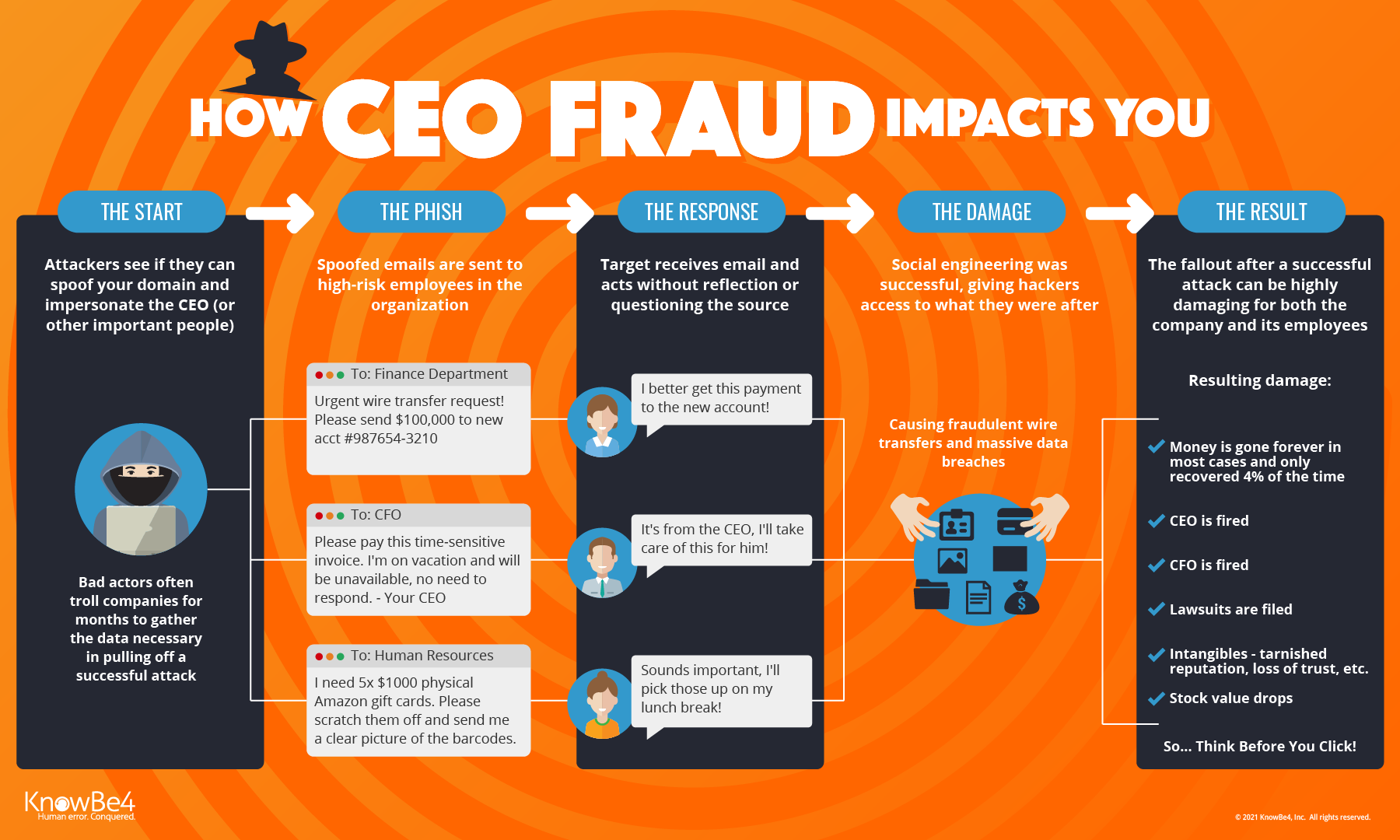
A few months back, I was absolutely swamped. Deadline crunch, several projects exploding simultaneously, basically living on coffee and sheer willpower. I was skimming emails, just trying to clear the top layer of crud. Then, I saw it: an email from ‘Sarah Jenkins’—my CEO’s name—with the subject line: URGENT: Quick funds transfer needed.
I clicked it open immediately. The tone was spot on. Very curt, straight to the point, just like how Sarah usually communicates when things are tight. It said something like, “I’m in a critical meeting, need to settle an immediate vendor invoice before close of business. Can’t access my banking system right now. Wire $15,000 immediately to the attached account. Confidential. Do this now and confirm when done.”
Now, my job doesn’t usually involve wiring big chunks of money, but I do handle some emergency payments and have access to the corporate expense accounts. The email address looked right too. It was . I didn’t even notice the tiny little ‘r’ that was actually a ‘rn’ mashed together in a custom font trick—that’s how focused I was on the content.
The Moment of Pause and the Double-Take
I literally had the internal banking system open, ready to initiate the transfer. My fingers were hovering over the ‘Submit’ button. Fifteen grand. That’s not pocket change. But the CEO said ‘URGENT’ and ‘CONFIDENTIAL’. In a panic situation, your brain just goes into compliance mode. You don’t want to be the one who failed the CEO in a pinch.
But something, a tiny little voice—maybe it was the lack of capitalization in a few spots, or the fact that Sarah never uses ‘Kindly’ but this email did once—made me hesitate. It was just a weird gut feeling, a slight hiccup in the otherwise flawless impersonation. I stopped typing.
I decided to do the simplest, fastest verification possible. I didn’t reply to the email—that’s what they want you to do. I picked up my phone and sent a quick text to Sarah. Something generic: “Just got your urgent email about the $15k transfer. Can you confirm the recipient details verbally? Want to make sure I don’t mess up.”
The Aftermath: Zero to Hero, Almost
Less than two minutes later, my phone rang. It was Sarah. She sounded confused. “What email? I’m stuck on a client call. I haven’t sent you anything urgent today. Definitely not asking for a wire transfer.”
My blood went cold. I quickly forwarded the suspicious email to her legitimate address and IT. It was a complete fake, a high-level Business Email Compromise (BEC) scam. They had spoofed her display name and email header just enough to fool my overworked eyes. If I had hit that button, the money would have been gone in seconds.
- Lesson One: Even if the email looks 100% genuine, if it demands an urgent, non-standard financial transaction, stop.
- Lesson Two: Never use email to verify an urgent email. Always use a different communication channel—a known phone number, a text message, or even walking over to their desk.
- Lesson Three: Scammers thrive on chaos and urgency. They know when people are stressed and prone to making mistakes. That’s why these emails always hit during busy periods or late on a Friday afternoon.
IT ended up tracing the header and found the actual sender was somewhere in Eastern Europe. Standard stuff, but a massive relief that I didn’t become the company’s biggest embarrassment that quarter. That quick text message saved us fifteen thousand dollars and a world of pain. If you’re managing money or dealing with sensitive information, promise me you’ll always take that extra thirty seconds to verify. Seriously, it’s worth it.