Getting Started with Fintech for E-commerce
Man, I remember when e-commerce was a wild west, especially with payments. We were stuck using old-school bank transfers and credit card processors that felt like they were designed in the 90s. Slow, clunky, and the fees? Don’t even get me started. That whole setup just didn’t work for the speed we needed.
My first proper e-commerce gig was selling custom mechanical keyboards—a niche market, high average order value, and international customers everywhere. Traditional banking was a pain. I was dealing with different banks, crazy high foreign exchange fees, and settlement times that took forever. Sometimes, I’d be waiting three or four days just to see the money hit the account after a big sale. That cash flow issue was killing me.
The Move to Modern Payments
I realized pretty quickly I had to ditch the bank’s integrated payment system. It was costing too much and the risk of chargebacks was a nightmare to handle through them. The whole process felt like filling out tax forms for every transaction.
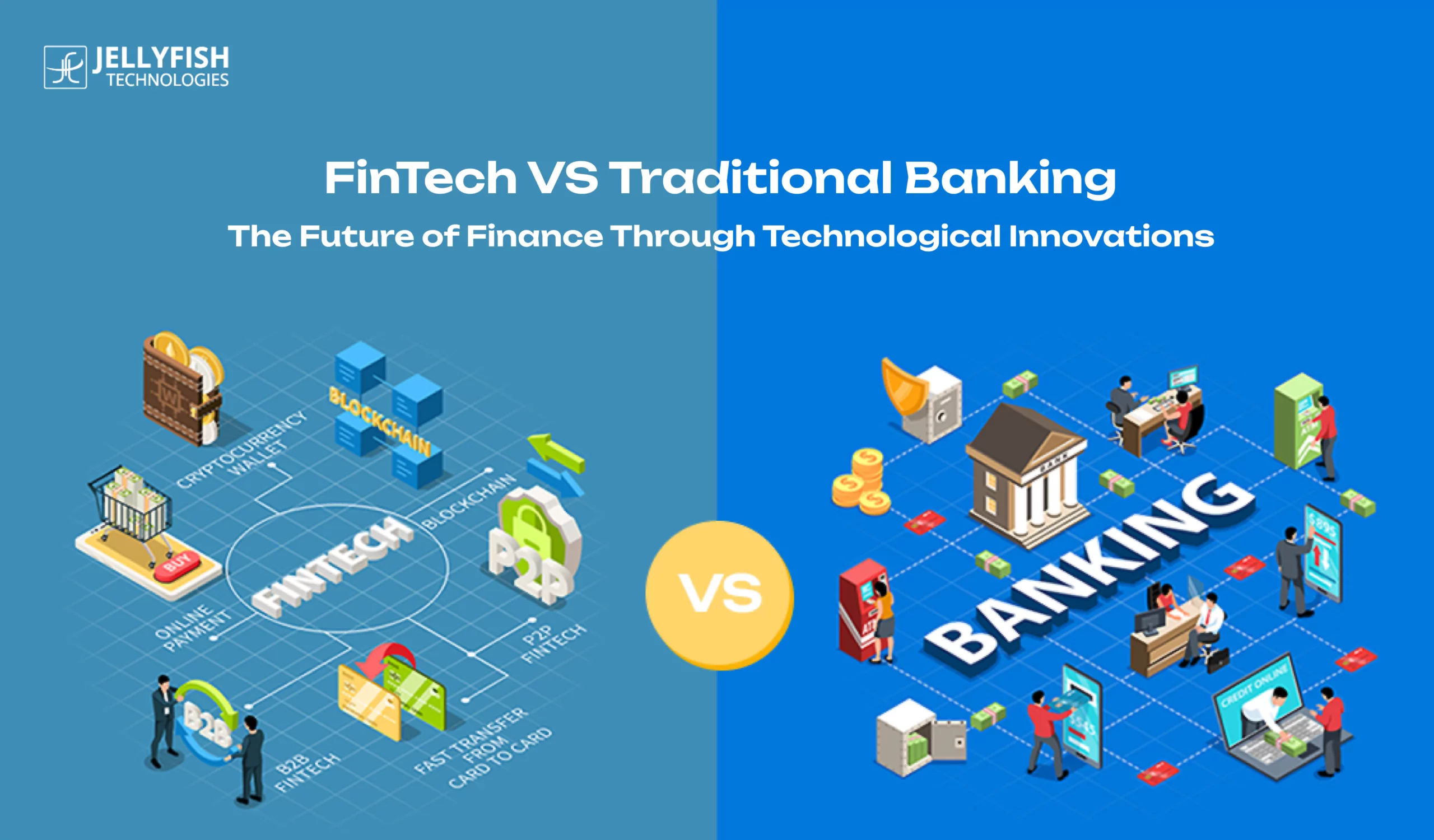
So, I started looking into the fintech players. This was around 2017, and companies like Stripe and Adyen were just starting to really dominate. I began by integrating Stripe. The setup was shockingly simple compared to what the bank required. It wasn’t just a matter of copy-pasting code; their documentation was actually readable, something bank APIs certainly weren’t.
- First, I signed up for a business account—took about 30 minutes, all online. No endless paperwork or visits to a branch.
- Then, I integrated the basic payment flow into our Shopify store. This was pretty seamless, handled mostly through their existing plugins.
- The real test was international transactions. Suddenly, accepting Euros or Yen was effortless. Stripe handled the currency conversion transparently and at a much better rate than my bank ever offered.
The Cash Flow Game Changer
The biggest immediate win was settlement speed. Instead of waiting three or more days, funds were hitting my linked bank account within 24-48 hours, sometimes faster. This allowed me to reinvest in inventory quicker, ramp up marketing spend, and just breathe easier when it came to managing operating capital. This rapid turnaround is something traditional banking simply couldn’t touch because of their outdated internal ledger systems.
Dealing with Risk and Fraud
Another area where fintech blew traditional banking out of the water was fraud management. The banking system just rejected anything suspicious or made me manually review transactions, which was tedious and error-prone. Fintech services like the ones I used employed way better machine learning tools.
I remember one time, a huge order came through from a high-risk country. My bank would have just frozen the transaction or told me to manually verify the customer. Stripe’s radar system flagged it, but their system analyzed hundreds of data points and ultimately approved it with a high confidence score. It was a legitimate sale. If I had relied on the bank, I would have lost that revenue trying to jump through their hoops.
Scaling Up with Integrated Tools
As the business grew, I started needing more than just a payment processor. Traditional banks offered loans or maybe a business credit card, but nothing that integrated directly with my sales data.
Fintech, however, offered a whole suite of integrated financial tools. We started using a fintech company for business lending—they approved a loan based on our actual sales history and revenue trajectory, not just collateral and three years of tax returns. The approval took hours, not weeks. The funds were available almost immediately. That level of flexibility is crucial when you need to jump on a sudden inventory opportunity.
We also leveraged their tools for subscription billing. Trying to manage recurring revenue using an old bank account and manually tracking payments? Impossible. The integrated fintech tools allowed us to handle everything from failed payment retries to subscription upgrades and downgrades automatically. That automation shaved off hours of manual accounting work every week.
In short, the traditional bank was a money warehouse, slow and expensive. Fintech, the tools I built my business on, was an engine. It was built for digital speed, transparent fees, and it scaled with me. That’s why, for e-commerce, it’s not even a fair fight anymore.