The Offshore Game Has Changed: Getting Real with Economic Substance
Listen, for years, the whole offshore company thing was simple, right? Get a shiny incorporation certificate, a mailbox address in some sunny island, and bam—you’re avoiding taxes. Those days are gone. Seriously, totally wiped out.
I just finished a deep dive into what it means to actually have Economic Substance for my Cayman structure, and let me tell you, it’s a headache, but totally mandatory if you don’t want the tax authorities breathing down your neck. I mean, who wants that stress?
The Kickoff: Realizing the Need for Substance
I started this journey about six months ago. My old setup was just a piece of paper. Great for privacy, terrible for modern compliance. I was talking to a consultant—a guy who actually knows what’s up with the OECD and BEPS framework—and he basically told me my paper company was worthless for legitimate tax planning now. He said, “You need real presence, real activities, or you’re going to get hit with re-domiciliation or even worse, penalties.” That kicked me into gear.
The first step was honestly just reading the local regulations in my jurisdiction. It’s dense stuff. What I figured out fast is that it’s not just about turning up once a year for a board meeting. It’s about performing your core income-generating activities (CIGA) right there where the company is registered.
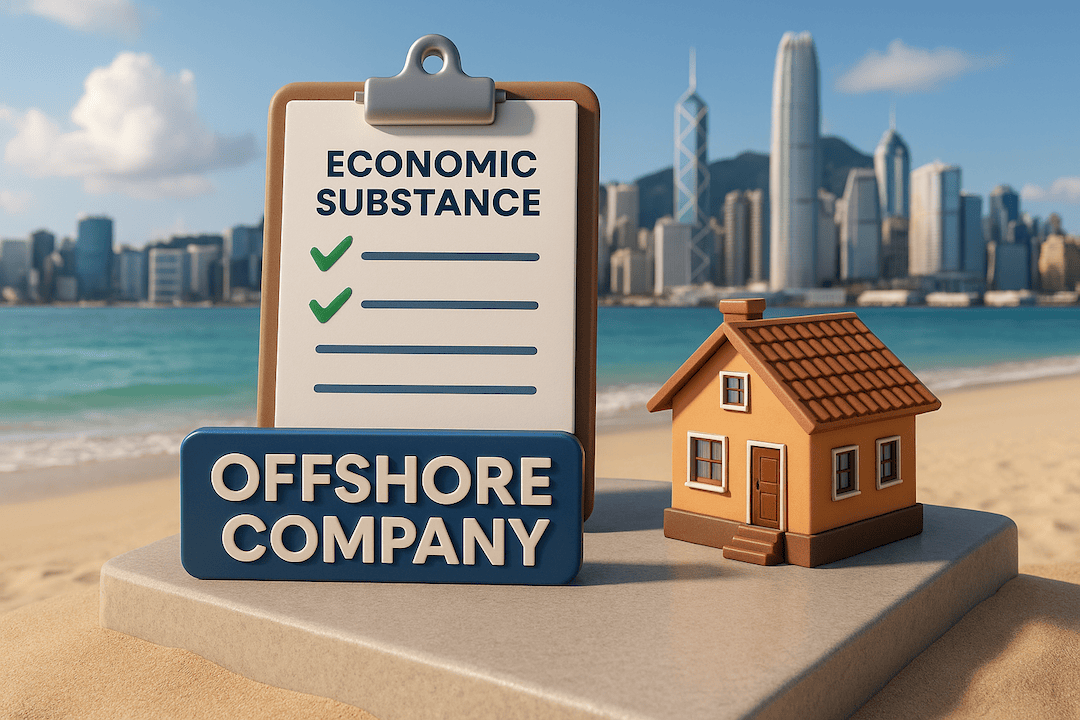
Structuring the Substance: What I Actually Did
My CIGA is around holding intellectual property and licensing it. So, I had to physically move those decision-making functions to the offshore location. This wasn’t cheap, but necessary.
- Hiring Local Talent: I hired one part-time executive director who is actually resident in the jurisdiction. This isn’t just a random local; this person needed relevant experience to actually manage the licensing agreements. We spent weeks interviewing to make sure they weren’t just a figurehead.
- Securing a Proper Office: Forget the shared mailroom. We leased a small, actual physical office space. It doesn’t need to be huge—it needs to be credible. We put actual desks in there, computers, and a signed lease agreement that proves dedicated space.
- Board Meetings Done Right: We set up a schedule for quarterly board meetings. Crucially, a majority of the board members—including the new local director—must physically attend these meetings in the jurisdiction. We keep detailed minutes that show strategic decisions being made there, not just rubber-stamped from my dining room table back home.
- Managing the Money Locally: We moved the primary bank accounts and required that the necessary operational expenditure, like legal and accounting fees related to the IP, are incurred and paid from that jurisdiction. It shows the money flows where the decisions are made.
The Documentation Nightmare (and Success)
The biggest pain point was the documentation. It’s all about proving everything when the annual substance reporting deadline hits.
I set up a rigorous system for record-keeping:
- I keep scans of every single flight ticket and hotel receipt for visiting board members.
- We meticulously log the time spent by the local director on CIGA activities. This isn’t just saying they work; it’s activity reports detailing negotiation, legal review, and execution of licensing deals.
- Detailed records of utility bills and office lease payments to prove physical presence.
I just filed my first full substance report with this new structure, and the feeling of knowing it’s compliant is immense. It moves the entire operation from “dodgy tax shelter” to “legitimate international business operation.” Yeah, it costs more, you have real operational overhead now, but the alternative—the risk of being deemed a tax resident somewhere terrible—is far, far worse. Substance is the new reality. If you’re running an offshore entity without it, you’re playing a high-stakes game you’ll probably lose.