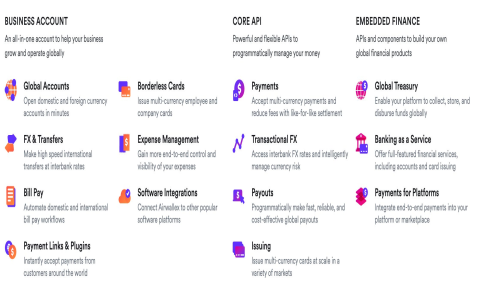
So, I was digging around Airwallex the other day, you know, trying to figure out what they actually are, especially since I keep seeing them popping up everywhere for cross-border stuff. The main thing that kept hitting me was this question: Are they a bank?
I started with their website, just the basic stuff, and man, they make it sound super easy to move money around. But the more I looked, the less it felt like a traditional bank. Banks are regulated super heavily, right? And usually, they have all these boring-looking documents on their homepage about deposits and insurance.
The first big clue I found was when I searched for their licensing. I didn’t find the usual banking license numbers like you’d see for a Chase or a HSBC. Instead, I kept running into terms like “Authorized Electronic Money Institution” or “EMI license.” That’s when the light bulb went off—they aren’t a bank; they operate under an e-money framework.
Chasing Down the E-Money License Details
I decided to focus on their UK presence first, because the regulation there is usually pretty clear. I eventually tracked down their entry on the Financial Conduct Authority (FCA) register. It took a bit of fiddling with search terms, but once I got their company name right, there it was: Airwallex (UK) Limited listed as an Authorized Electronic Money Institution.

What does that actually mean? I had to read up on the rules. An EMI can issue electronic money and process payments, which is exactly what Airwallex does—helping businesses manage international currency transfers and holding funds in digital wallets. But, crucially, they are not licensed to take deposits in the same way a bank is. This is a huge difference.
I immediately started thinking about the safety implications. Banks offer deposit protection (like FSCS in the UK or FDIC in the US), meaning your money is guaranteed up to a certain amount even if the bank collapses. For Airwallex, because they aren’t a bank, they have a different requirement: safeguarding.
The Safeguarding Process: Digging Deeper
The key part of their operation, which I really wanted to understand, was how they safeguard customer money. I looked through their terms and conditions, which are usually a nightmare of legal jargon, but I managed to pull out the essential bits.
- They have to keep client funds separate from their own operating funds. This is called segregation.
- They usually put the client funds into segregated accounts with major banks. So, your money isn’t just sitting in Airwallex’s main checking account; it’s held separately in trust at a big, established bank.
This means if Airwallex were to go belly-up (touch wood, they are massive now, but still), their creditors can’t touch the customer funds. The money is protected because it’s legally separate. It’s not “deposit insurance,” but it provides a very similar level of protection in terms of ensuring the funds can be returned to the users.
Comparing the Global Footprint
I didn’t stop at the UK. I checked out their licenses in a few other regions where they operate heavily, just to see if the story changed.
- Australia: They hold an AFSL (Australian Financial Services License) and are registered as a remittance provider. Again, payment services, not banking.
- Hong Kong: They have an MSO (Money Service Operator) license. Same thing—money transmission and currency exchange.
Everywhere I looked, the pattern was consistent: payments, electronic money, remittance, but never the full banking license that allows lending and full deposit taking.
So, to wrap up my practice run, the answer is a clear no, Airwallex is not a bank. They are a highly regulated financial technology company operating under various e-money and payment licenses globally. They focus on the movement and holding of funds, not traditional banking products like loans or insured deposits, though their safeguarding protects the customer money pretty darn well. This distinction is key for anyone using them for business—you’re dealing with a powerful payment processor, not your old-school neighborhood bank branch.