
Jumping into GDPR Compliance: My Journey to Securing Customer Data
So, the big question lately, the one everyone keeps asking me, is about customer data safety and this whole GDPR thing. I mean, is your customer data actually safe? When I first started digging into this, it felt like wading through mud, to be honest. But hey, I got through it, and I wanted to walk you through exactly what I did, step by step, to get my digital house in order.
The Wake-Up Call: Realizing the Mess
It all started with a simple audit. I had customer data scattered everywhere—old spreadsheets, various cloud storage spots, a couple of ancient databases. A real mess. My first step, and honestly, the hardest part, was just finding all the data. I spent a week just mapping out where every single piece of customer PII (Personally Identifiable Information) lived. We’re talking names, emails, purchase history, IP addresses, the whole kit and caboodle.
- Searched every server folder, local machine backup, and abandoned “project” directory.
- Interviewed the sales and marketing folks—they always have the secret stashes of data.
- Created a giant, ugly spreadsheet listing every data source and what kind of data it held.
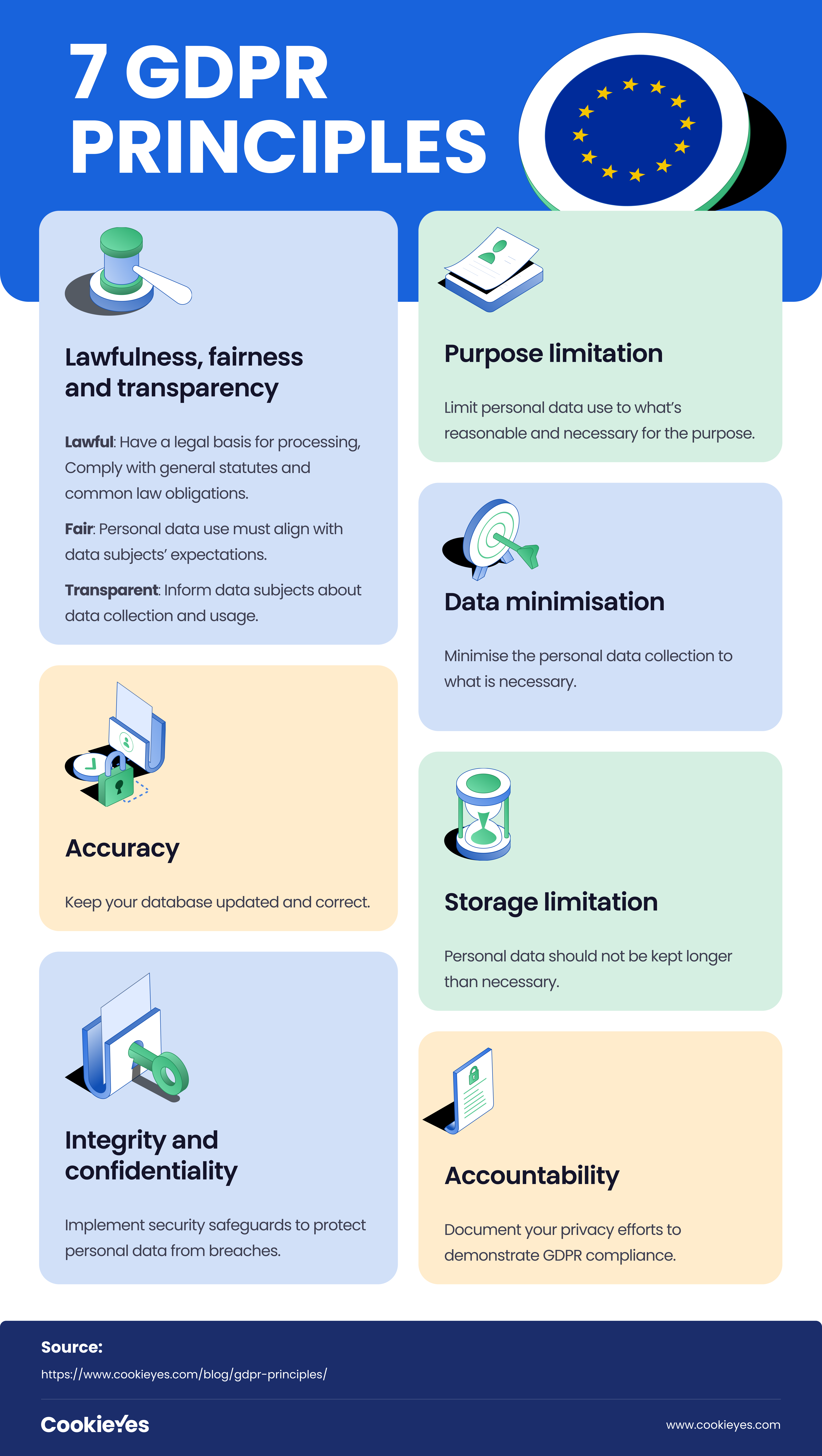
Once I had the map, I realized how much unnecessary data we were holding onto. Stuff from five years ago we didn’t need anymore. That was the immediate next move: data minimization. Delete it, archive it safely, or anonymize it. If you don’t need it, don’t keep it. It’s just a liability waiting to happen.
Building the Moat: Security Measures
Next up was securing what we decided to keep. This wasn’t just slapping a password on things. GDPR is serious about protecting the integrity and confidentiality of the data. I focused on three main pillars: encryption, access control, and logging.
Encryption: Everything sensitive got encrypted. Not just data being sent over the wire (hello, HTTPS), but also data at rest. I moved all critical customer databases behind mandatory whole-disk encryption protocols. For our internal documents with PII, we implemented encrypted containers. If someone stole a drive, they’d just get gibberish.
Access Control: We went full “least privilege.” Nobody, and I mean nobody, should have access to the full customer database unless their job strictly requires it. We stripped access rights down to the bone. If the marketing guy only needs names and first names for an email campaign, why should he see the street address or payment history? We implemented roles and permissions, locking down everything default.
Logging: This is the boring but essential bit. We started logging every single access, change, or deletion involving PII. If something goes wrong, or if we get an inquiry from a customer, we need to know exactly who did what and when. This involved configuring our database and server logs to be verbose and setting up alerts for suspicious activity—like someone trying to download the entire customer list at 3 AM.
Dealing with the Rights: Consent and Transparency
Security is one thing, but GDPR is largely about customer rights. People have the right to know what data you have, change it, or demand you delete it (the “Right to be Forgotten”).
I had to completely overhaul our sign-up and consent forms. No more pre-checked boxes! Consent must be freely given, specific, informed, and unambiguous. We had to clearly state exactly what we were collecting and what we were using it for. It was a pain re-coding all those forms, but totally necessary.
We also built out a process for handling Subject Access Requests (SARs). If a customer emails us and says, “What data do you have on me?” we need to respond quickly and accurately. I set up a dedicated mailbox and a workflow using a simple ticketing system to ensure we hit the one-month deadline for responses. Same for “Right to Erasure” requests—we need procedures to find and permanently delete all their records, including backups, without delay.
Final Check and Ongoing Maintenance
The whole process took about three solid months. After implementing everything, I ran a final external penetration test just to make sure I hadn’t missed any obvious weak spots. You’d be surprised how often a seemingly locked-down system has an old API endpoint dangling somewhere.
The biggest takeaway? Compliance isn’t a one-and-done deal. It’s constant maintenance. Now, we do quarterly reviews of access logs, bi-annual reviews of our data inventory, and mandatory annual training for all staff on data handling. It’s an ongoing commitment, but knowing the customer data is significantly safer now makes all the initial headaches worth it.