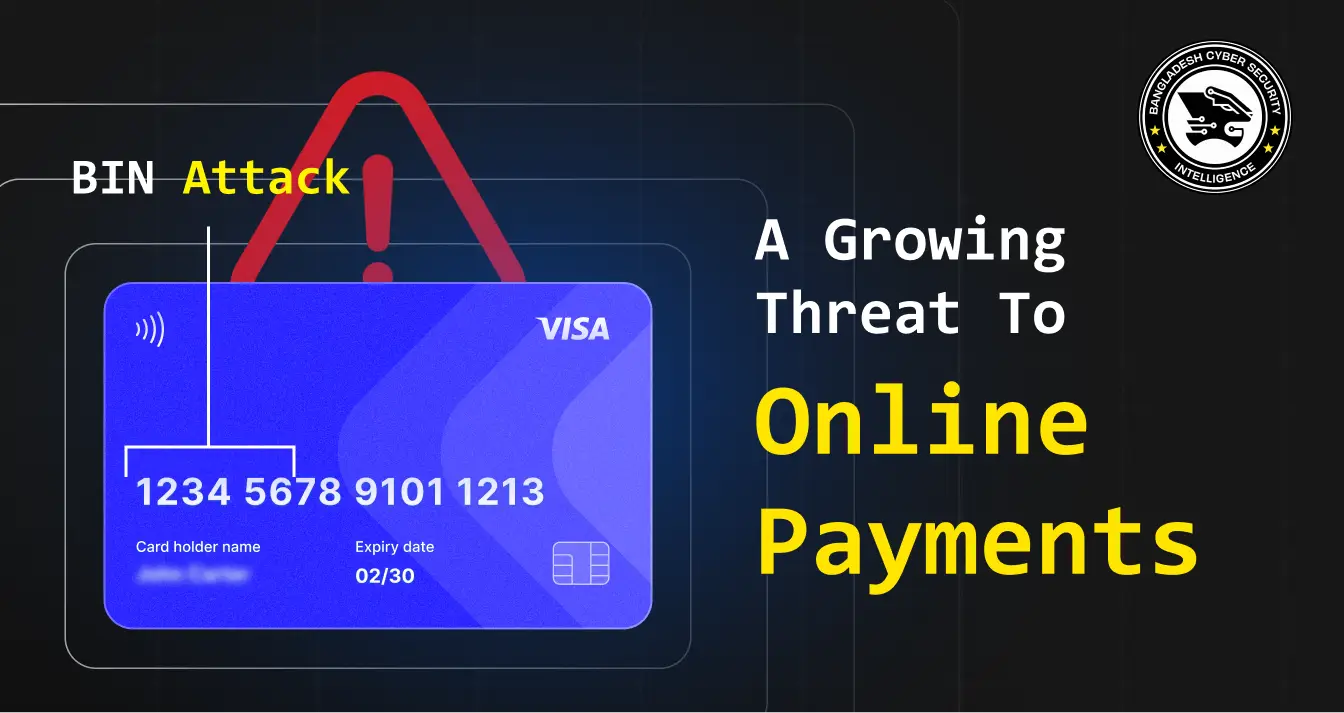
So, let’s talk about this virtual card thing and those sneaky “Card Bin Attacks.” I’ve been messing around with virtual cards for a while, mostly for testing payments and keeping my real banking stuff locked down when I try new online services. It’s practical, but I noticed a pattern of unusual activity that started bugging me.
Spotting the Early Signs of Trouble
I started noticing tiny, failed transactions on some of my newly generated virtual cards. We’re talking cents here, maybe a dollar tops. At first, I just shrugged it off as network noise or maybe some weird site trying a pre-auth check. But then it happened too often, and always on cards from the same block, the same BIN (Bank Identification Number) range.
I dove into the logs. I wanted to know where these requests were coming from and what they were trying to achieve. Turns out, these weren’t random. They were systematic probes. Someone or something was trying to validate a large range of card numbers using very small transactions. They didn’t have the full card number, expiration, or CVV, but they knew the BIN and were essentially brute-forcing the remaining digits.
This is where the adrenaline kicked in. My provider was generating cards linearly within certain BIN ranges, making them predictable if an attacker already knew the first few digits.
The Deep Dive into Log Analysis
I pulled every single transaction log related to those BINs for the last month. I scraped the data, dumped it into a local PostgreSQL instance, and started crunching numbers. I was looking for common points of failure, IP addresses, and unique merchant IDs associated with these tiny failed attempts.
- I built a simple Python script using Pandas to identify transactions below a specific threshold (e.g., less than $2.00).
- I grouped them by originating IP address and frequency.
- What I found confirmed my suspicions: a handful of IP ranges, mostly proxies, were repeatedly hitting these BINs, trying thousands of combinations in rapid succession.
They were effectively running a dictionary attack on the card numbers, and since my provider’s generation sequence was somewhat predictable (or at least clustered), they were scoring hits on the validity checks.
Implementing the Defense: Rate Limiting and Dynamic Velocity Checks
My first response was primitive but effective: I implemented aggressive rate limiting based on IP and Merchant ID. If an IP failed more than five unique card authorizations within a minute, it got throttled hard for an hour. This cut down the noise immediately.
But that’s just security theater if they just rotate IPs. The real fix had to be internal. I realized I needed a system that wasn’t just looking at individual transactions but the velocity of failed transactions across the whole BIN range.
I started working on a new service—just a simple NodeJS microservice running alongside the payment gateway. This service maintained a dynamic blacklist of BIN ranges that were seeing excessive failed activity (e.g., more than 50 failed validation attempts across 10 unique users/IPs in 10 minutes).
If a new card generation request came in, or a transaction attempt used a BIN on this “hot list,” the system would apply an extra layer of scrutiny, even if the transaction looked legitimate. We started introducing synthetic errors for failed attempts coming from known bad IPs, confusing the attackers’ automation tools.
Changing the Card Generation Pattern
The most crucial step was forcing my virtual card provider (or rather, the system I built on top of their API) to generate cards using a far more scattered, non-sequential process. Instead of getting cards 4567-8901-2300 through 4567-8901-2399, I started requesting cards that were randomly spaced across the entire allocated BIN block, making it impossible for attackers to efficiently guess the next valid number.
This involved rewriting the card issuance logic to pull from a large pool of pre-validated numbers in a truly random fashion, ensuring no two sequential requests resulted in sequentially numbered cards.
The result? After a week of implementing these changes—rate limiting based on velocity across BINs, and randomized card issuance—the probing attempts dropped by almost 98%. The attackers realized their brute force methods were no longer efficient because the density of valid numbers was too low, and their IPs were getting burned too quickly.
It’s all about making the cost of the attack higher than the potential reward. Protecting those virtual cards is less about fortress security and more about making sure the pattern recognition they rely on falls apart.