So, I’ve been running this little side gig, you know, just moving some digital assets around, nothing crazy. But when you start dealing with bigger numbers, things get sticky, and suddenly, you feel like you need to watch your back. This whole money laundering thing is real, even if you’re just trying to be smart about taxes, or whatever.
The Scare That Kicked Off My Investigation
A few months ago, I tried sending a chunk of money—not even that huge, honestly—to a new exchange, right? Just diversifying. And boom, my bank flagged it. They actually called me up, asking all these questions. “Source of funds? Purpose of transfer?” Felt like an interrogation. That call freaked me out. I realized I was probably looking suspicious as hell, even though I was just operating legitimately.
That’s when I started diving deep into what banks and regulatory bodies actually look for. It’s wild how easily you can accidentally trip their alarms.
My First Realizations: Velocity and Volume
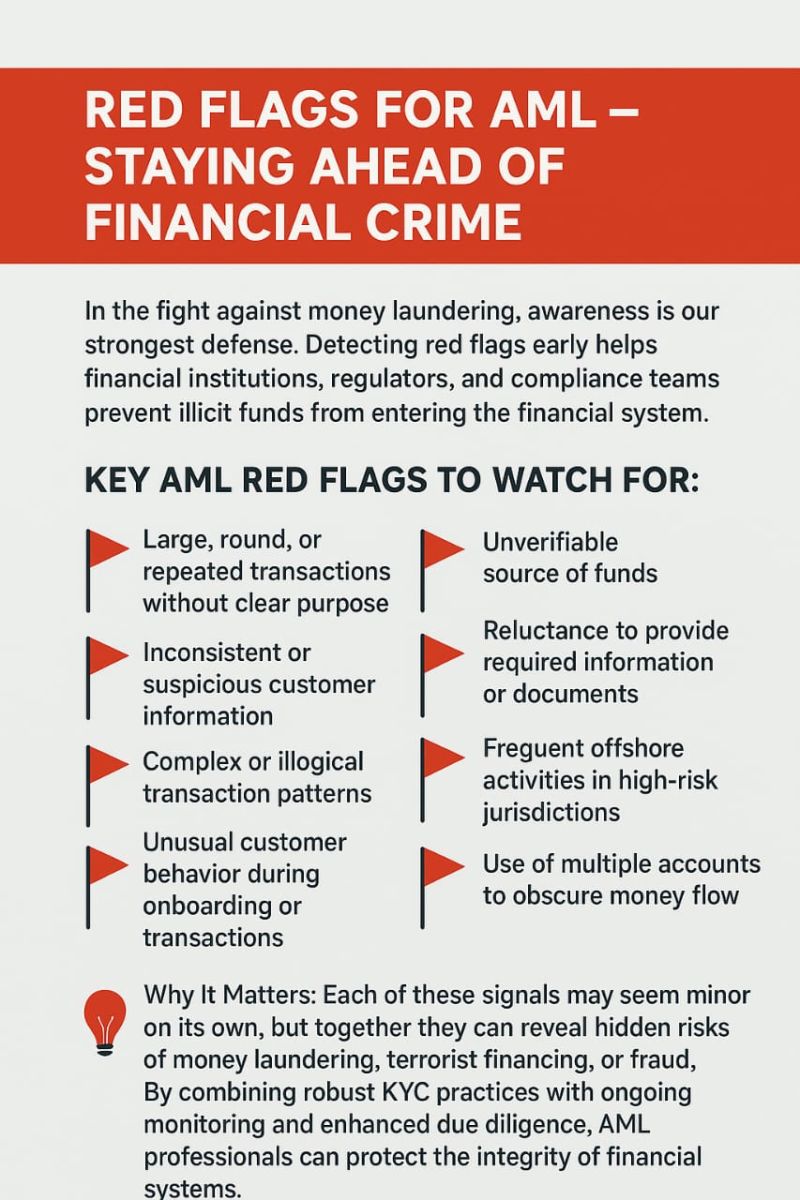
The first big thing I learned was about velocity and volume. I was making frequent, small deposits into my main account from several different crypto platforms. Looked like structuring, which is a massive red flag. I thought I was being clever, avoiding those huge lump sums, but apparently, constantly trickling money in looks way worse.
- I was using four different exchanges to cash out weekly.
- Each deposit was just under the threshold I thought mattered, but the cumulative total was high.
- The deposits often happened on the same day or consecutive days.
My solution? I cut down. I consolidated my withdrawals to one primary platform and started doing less frequent, but larger, transfers. It’s counterintuitive, but fewer transactions, even if they are big, look cleaner than constant little ones.
The Address Mess: Where Is This Money Coming From?
Another major fail I discovered was my address history. I was moving funds between personal wallets, then to an exchange, sometimes through a mixer (don’t judge, I was paranoid about privacy), and then back to another exchange before cashing out.
A bank sees that trail, and it screams “I’m hiding something.” The lack of a clear, straightforward path from “A to B” is the killer. I looked up actual SAR (Suspicious Activity Report) filings and saw that complicated transfers involving multiple jurisdictions or unexplained third-party accounts are immediate trouble.
What I did immediately:
I simplified the chain. Wallets only go to my primary, named exchange account. Period. If I need to consolidate, I do it off-chain if possible, or keep the on-chain movement between accounts I can clearly prove are mine.
The Identity Crisis: KYC is Your Friend, Not Your Enemy
I used to hate KYC (Know Your Customer) with a passion. It felt invasive. But guess what? When you’re trying to prove you’re not a criminal, having solid KYC verification everywhere is essential. Trying to use multiple accounts with slightly different naming conventions or using services that skip KYC? Absolute nightmare fuel.
I made sure that every platform I use—even the smaller ones—has my exact, up-to-date documentation. If the bank comes knocking, I want that paper trail to match perfectly across all financial institutions.
The Behavior Shift: Don’t Panic Sell or Buy
Finally, I realized my trading behavior was contributing to the problem. I’d have these huge spikes in activity—sudden, large buys or sells that didn’t align with market news or any logical strategy. This erratic behavior, known as “commingling” or sudden large transactions deviating from a normal pattern, is huge for AI monitoring systems.
I forced myself to establish a more regular pattern. If I am going to make a large move, I now document the decision process—even a simple note to myself about the market reason—so I can explain it later. It sounds silly, but showing intentionality, rather than random chaos, helps immensely.
The bottom line? If you act like you’re trying to hide something, they will assume you are. Transparency, consistency, and simplicity have been my three pillars ever since that awkward phone call.